DRM Screen Recorder: How It Works and What You Need to Know

How to Screen Record Protected Videos
Have you ever started a screen recording only to find that the video area appears completely black? This usually happens when the video is protected by Digital Rights Management (DRM), a technology designed to protect copyrighted content and control how it can be accessed or copied.
While a screen recorder may normally capture your desktop and other elements, DRM protection can prevent the protected video layer from being recorded, resulting in a black screen.
In this article, we’ll explain how DRM affects screen recording, why protected videos appear black, what you should know about DRM-compliant screen recorders, and how to record protected content legally and appropriately.
Table of Contents: hide
What Is a DRM Screen Recorder?
Why Protected Videos Show a Black Screen When Recording
Can You Record DRM-Protected Videos Legally?
How to Record Protected Videos on Windows & Mac
What Is a DRM Screen Recorder?
A DRM screen recorder is a screen recording tool used in situations where Digital Rights Management (DRM) restrictions may affect the recording process.
Unlike a DRM bypass tool, a DRM screen recorder does not remove or disable content protection. Instead, it helps users understand and manage screen recording limitations when working with protected content.
DRM is a technology designed to protect digital media through methods such as:
- Encryption: Protecting digital content from unauthorized access.
- Playback control: Managing when and where protected content can be played.
- Content protection: Preventing unauthorized copying or distribution.
Because of these protections, the results of screen recording may vary depending on how the content is delivered and how DRM restrictions are applied.
How DRM Blocks Recording
DRM protection works by controlling how protected video content is accessed and displayed. When a video uses DRM, the playback process involves multiple security layers instead of simply showing a video file on the screen.
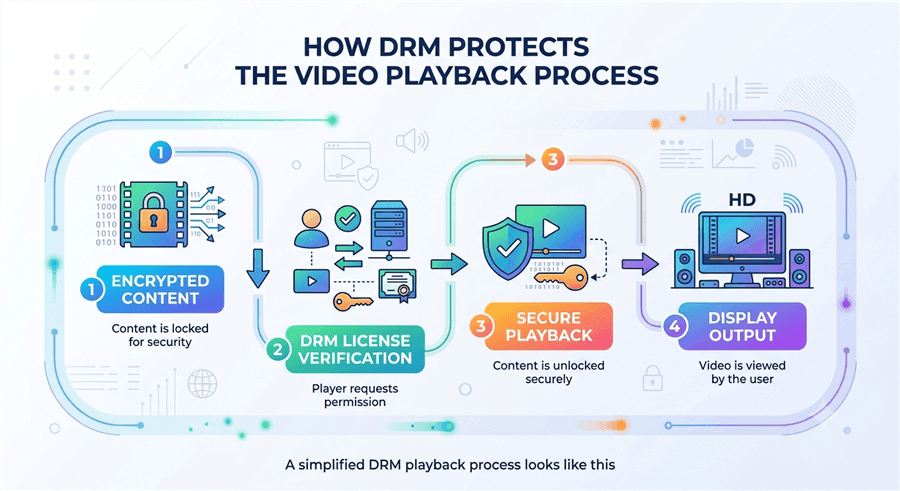
DRM Protects the Video Playback Process
Before a protected video is displayed, the system verifies whether the user has the necessary authorization to access the content. This helps content providers protect copyrighted materials and control how videos are distributed.
Why Screen Recorders Capture a Black Screen
When DRM restrictions are active, a screen recorder may capture your desktop, browser interface, or other visible elements normally, while the protected video area appears black.
This can happen because:
- Protected video layers are separated from normal screen content.
- Hardware acceleration may use secure rendering paths that are not available to standard screen capture tools.
- Secure output paths prevent protected playback content from being captured directly.
In simple terms, a screen recorder may capture your display normally, while DRM-protected video areas appear black because the protected playback layer is restricted.
Why Protected Videos Show a Black Screen When Recording
A black screen during recording does not always mean that the screen recorder is not working. In many cases, it happens because the video playback environment applies additional restrictions or uses a protected rendering process. Several common reasons include:
The Video Uses DRM Protection
Some videos are protected by Digital Rights Management (DRM), which controls how protected content is accessed and displayed. This is common in:
- Streaming platforms
- Online learning platforms
- Enterprise training systems
When DRM protection is enabled, the video content may be handled differently from regular screen elements. As a result, a recorder may capture the surrounding interface while the protected video area appears black.
Hardware Acceleration Affects Screen Capture
Modern browsers often use GPU-based rendering to improve video playback performance.
In some cases, hardware acceleration can change how video frames are processed and displayed, which may cause:
- A black video area in recordings
- Missing playback content while other screen elements are captured normally
This is related to how the browser and operating system handle video rendering, rather than a problem with the recorder itself.
The Recording Software Cannot Access Protected Content
Not all screen recording tools handle protected video playback in the same way.
Some recorders are designed for general desktop capture, while others focus on workflows such as tutorials, product demos, or presentations. Their ability to capture certain video playback scenarios depends on how the content is delivered and displayed.
If the video source applies content protection, the recording result may differ between tools and playback environments.
Can You Record DRM-Protected Videos Legally?
Whether you can record a DRM-protected video depends on your ownership, authorization, and the purpose of the recording.
DRM protection is designed to control how protected content is accessed and distributed. In many cases, standard screen recording tools cannot capture DRM-protected playback areas because the content is restricted by the playback environment.
However, there are legitimate situations where recording may be allowed, such as:
- Recording videos you created and own.
- Capturing content when you have permission from the content provider.
- Creating internal training materials for your organization with proper authorization.
- Recording educational content when your institution or course provider allows it.
For protected videos that you do not own or have permission to record, it is important to respect the content provider’s usage policies and copyright requirements.
If you need to create tutorials, product demos, training videos, or educational recordings from your own content, a screen recorder can help you capture and edit your workflow efficiently without dealing with DRM restrictions.
How to Record Protected Videos on Windows & Mac
If you own the video content or have permission to record it, a screen recorder can help you create tutorials, instructional content, training materials, product demos, and educational videos. FocuSee is designed for creating polished screen recordings on Windows and Mac. It captures your screen, microphone audio, and system audio while helping you turn raw recordings into professional-looking videos.
With features like automatic zoom, cursor effects, spotlight, subtitles, and AI-powered editing tools, FocuSee helps simplify the process of creating instructional videos and walkthroughs.
How to Record a Video with FocuSee
Step 1: Download and launch FocuSee on your Windows or Mac computer.
Step 2: Select a recording mode: Full screen, Custom area, Specific window, or mobile devices.
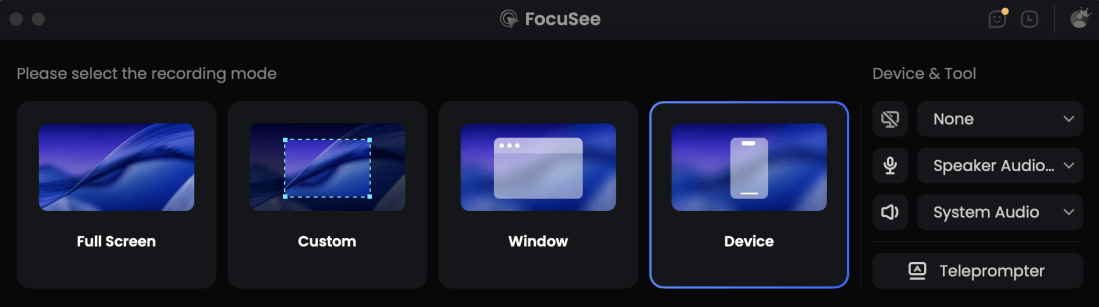
Choose the Recording Model
Step 3: Once you’ve completed capturing the mouse movements and clicks, click the Red Stop icon found on the toolbar. Post-recording, you have the option to modify the mouse cursor’s style, size, and click effects, introduce a spotlight, alter the zoom effect, and more.
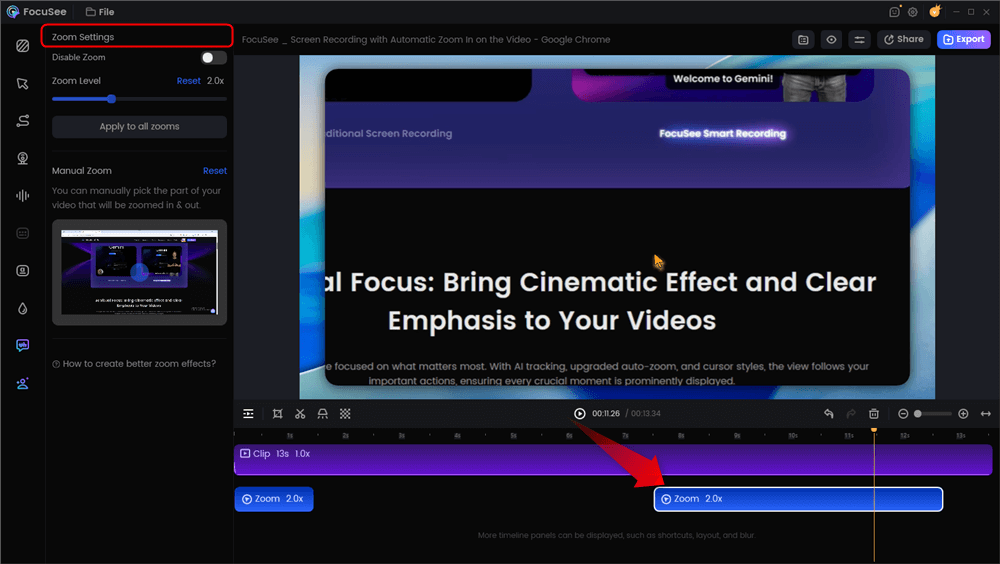
Automatic Zoom Effects
Step 4: Then, you can export your video in 4K resolution.
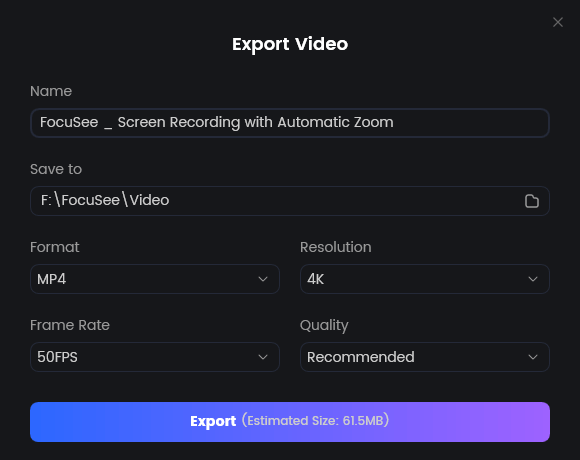
Export Your Video
You can also upload and share your videos via a link.
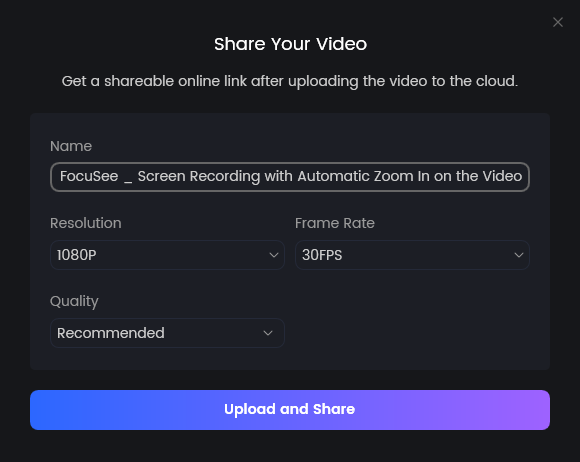
Share Video
Recording Protected Videos on Mobile Devices
Mobile devices also apply content protection technologies that may prevent certain videos from being captured by standard screen recording features. If you need to record content on your phone, make sure you have the necessary permission from the content owner or platform.
For professional tutorials, software demonstrations, and educational videos, desktop screen recording tools usually provide more flexibility with editing, annotations, cursor effects, and sharing options.
FAQs about How to Screen Record Protected Videos
1. What tools can I use to screen-record protected videos?
There are many screen recording tools available, such as OBS Studio, Camtasia, and ScreenFlow. However, not all of them may be able to record protected videos. You can try using a screen recording tool that allows you to capture audio and video from your computer screen, and see if it can record the protected video.
2. Is it legal to screen-record protected videos?
It depends on the circumstances. If you are screen recording a protected video for personal use, such as to watch later or to create a backup, it may be legal in some countries. However, if you are screen recording a protected video with the intention of distributing or selling it, it is likely illegal and may result in legal consequences.
3. Can I get in trouble for screen recording a protected video?
Yes, you can get in trouble for screen recording a protected video if it is illegal in your country or violates the terms of service of the website or platform where the video is hosted. You may face legal consequences, such as fines or even imprisonment, depending on the severity of the offense.
4. Why Protected Videos May Not Record Properly on Windows
When trying to record protected videos on Windows, you may notice that the video area appears black while other parts of your screen are captured normally.
This usually happens because:
- The video uses DRM protection.
- The playback application uses protected rendering methods.
- The recording software cannot access the protected video layer.
Different recording tools may behave differently depending on the content source, browser, operating system, and playback environment.
If you need to create recordings from your own videos, software demos, online courses, or internal training materials, choose a screen recorder designed for content creation rather than protected-content capture.
Final Thought
Videos on some websites, such as Netflix and Amazon Prime, cannot be recorded due to the protection. While screen recording those protected videos can be challenging due to DRM technology and copyright laws, there are still ways to do it. Using professional DRM screen recorders like FocuSee is worth trying. And we hope you know How to Screen Record Protected Videos after reading this article. Moreover, if you have any thoughts or experiences on screen recording protected videos, we encourage you to leave them in the comments. Also, feel free to share the article with others.
Get It Free